
Open Your Heart and Home.
The decision to foster means more lives saved. By providing a sanctuary for one or more cats, you free up spots at our rescue for others in need and help double our rescue efforts.
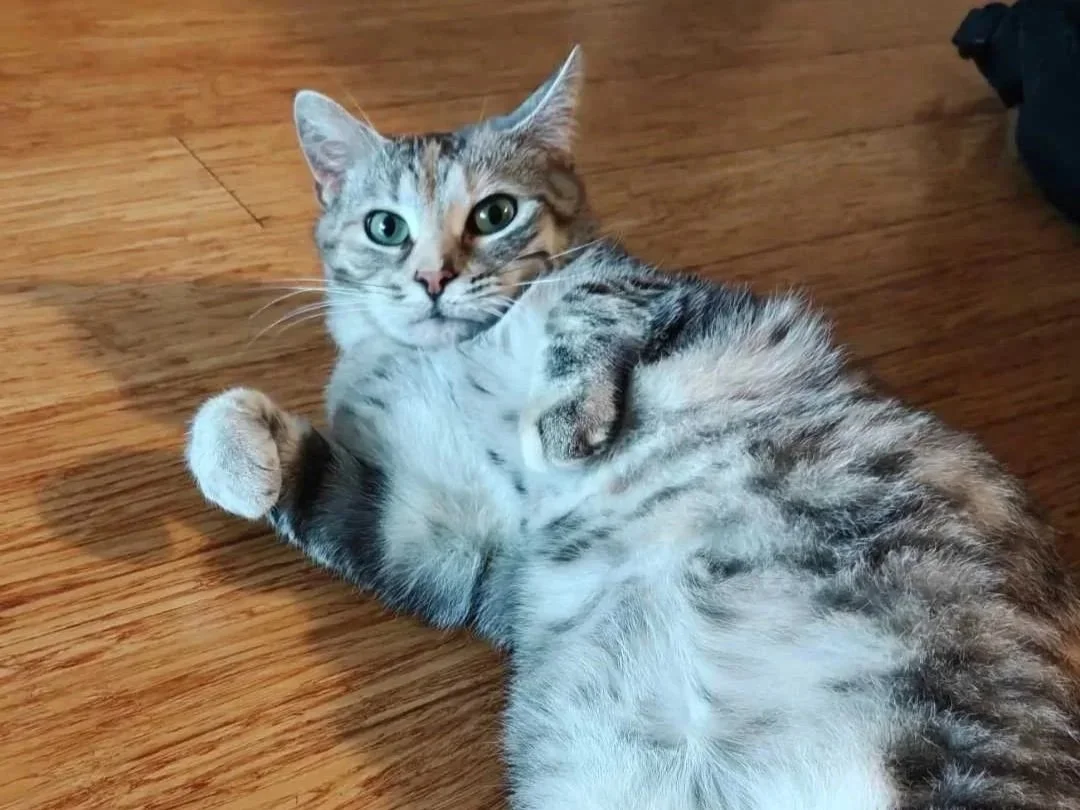
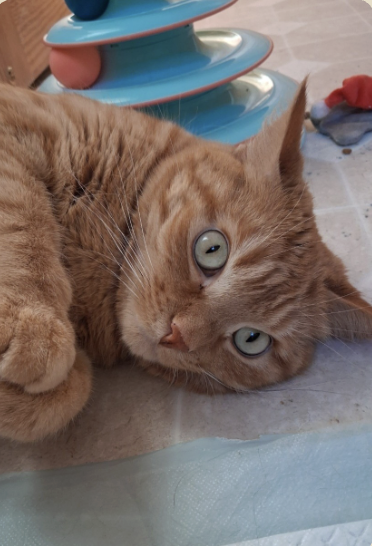
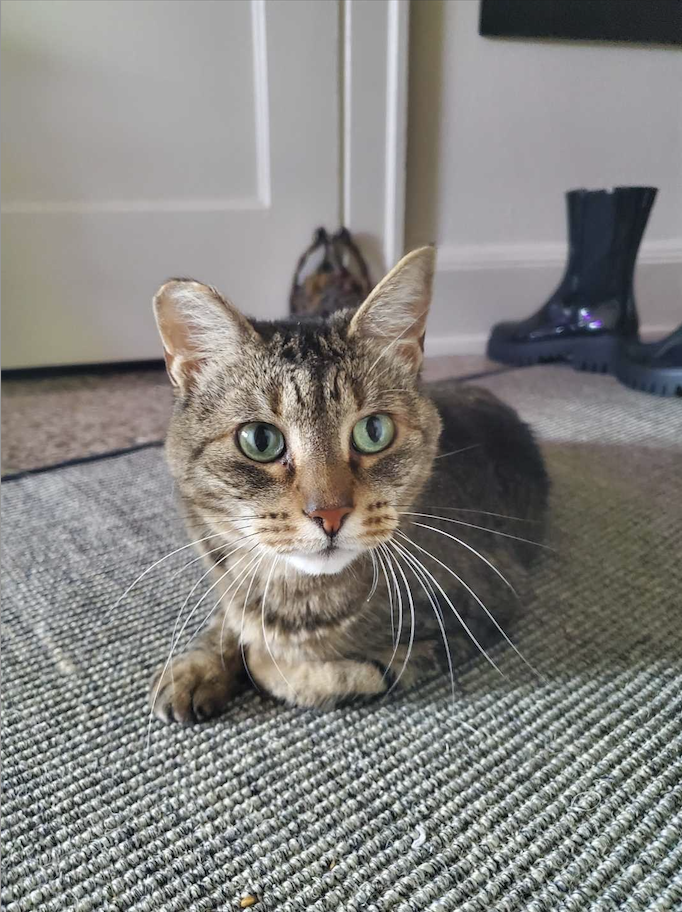
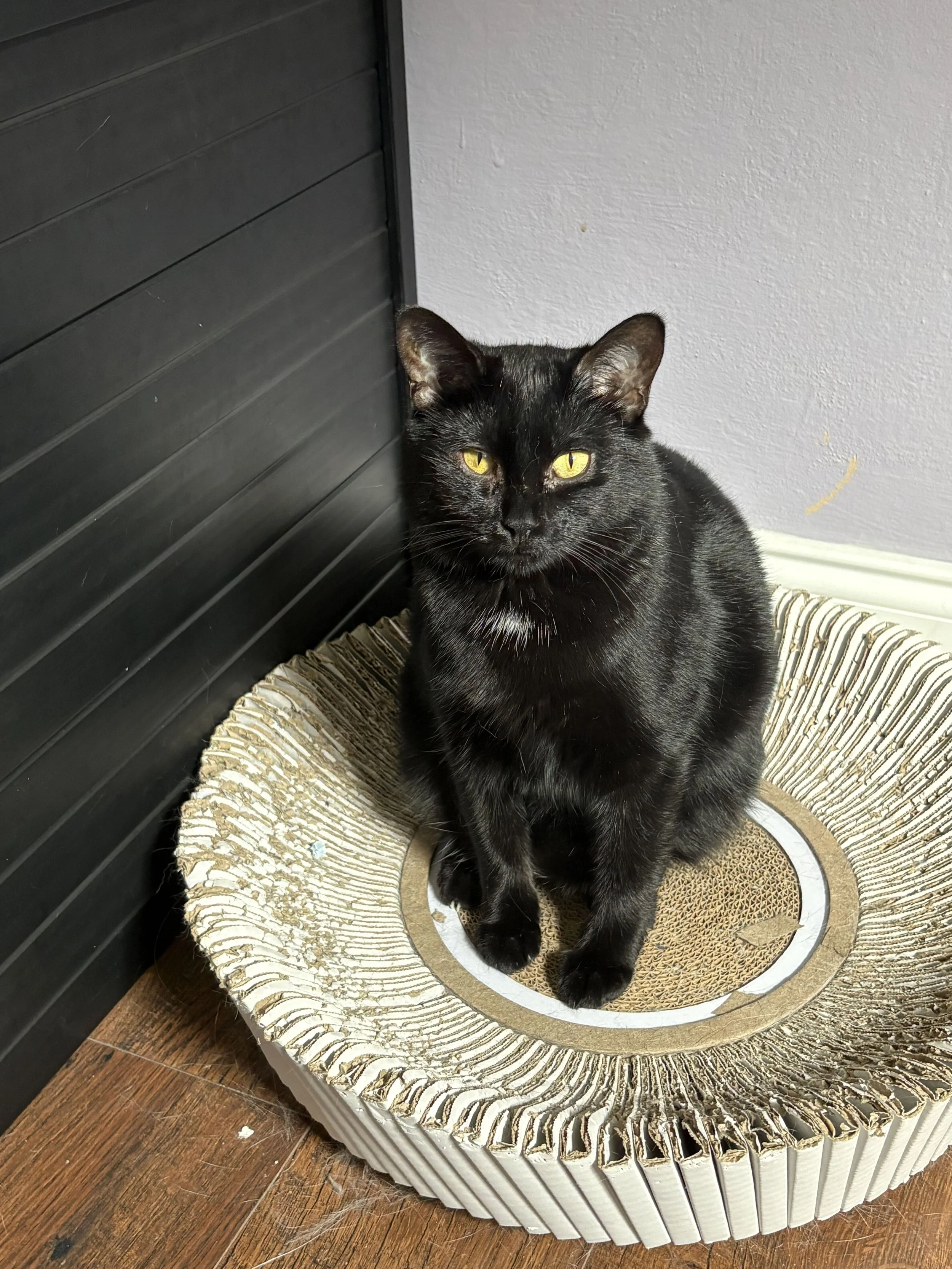
Foster Spotlights: Ready for Their Forever Homes
-
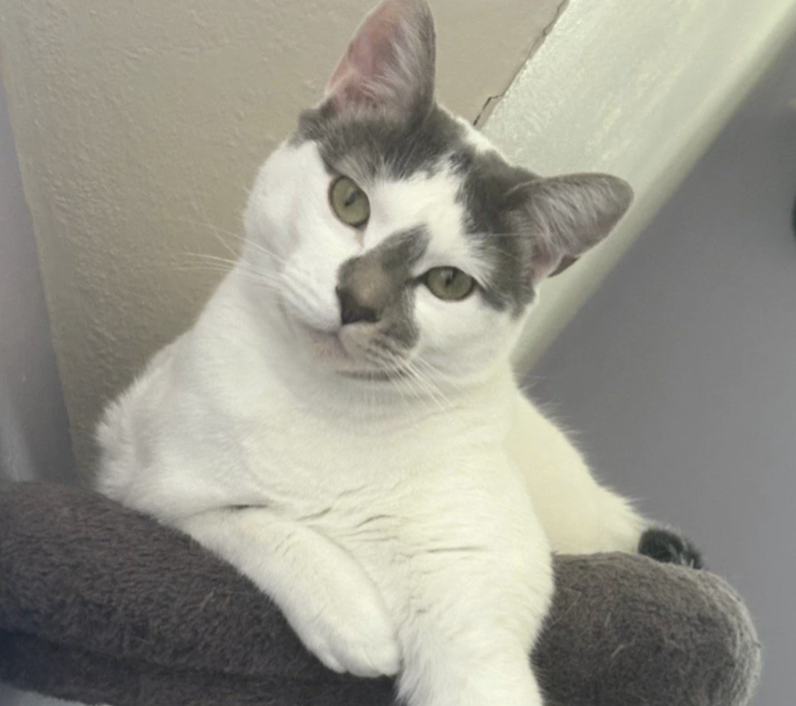
![Image of Aurora, an adoptable cat from Almost Home Cat Rescue MKE]()
Aurora
-
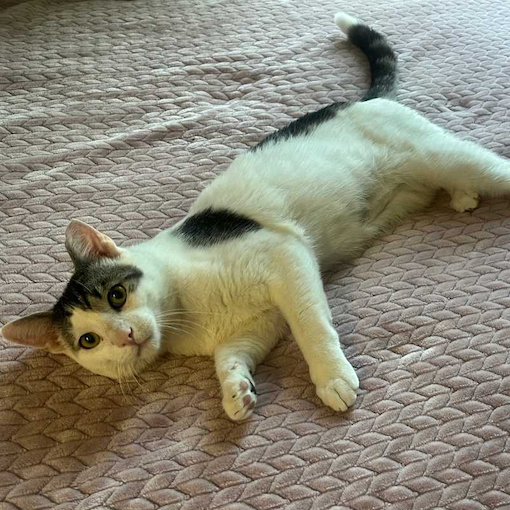
![Image of Bambi, an adoptable cat from Almost Home Cat Rescue MKE]()
Bambi
-
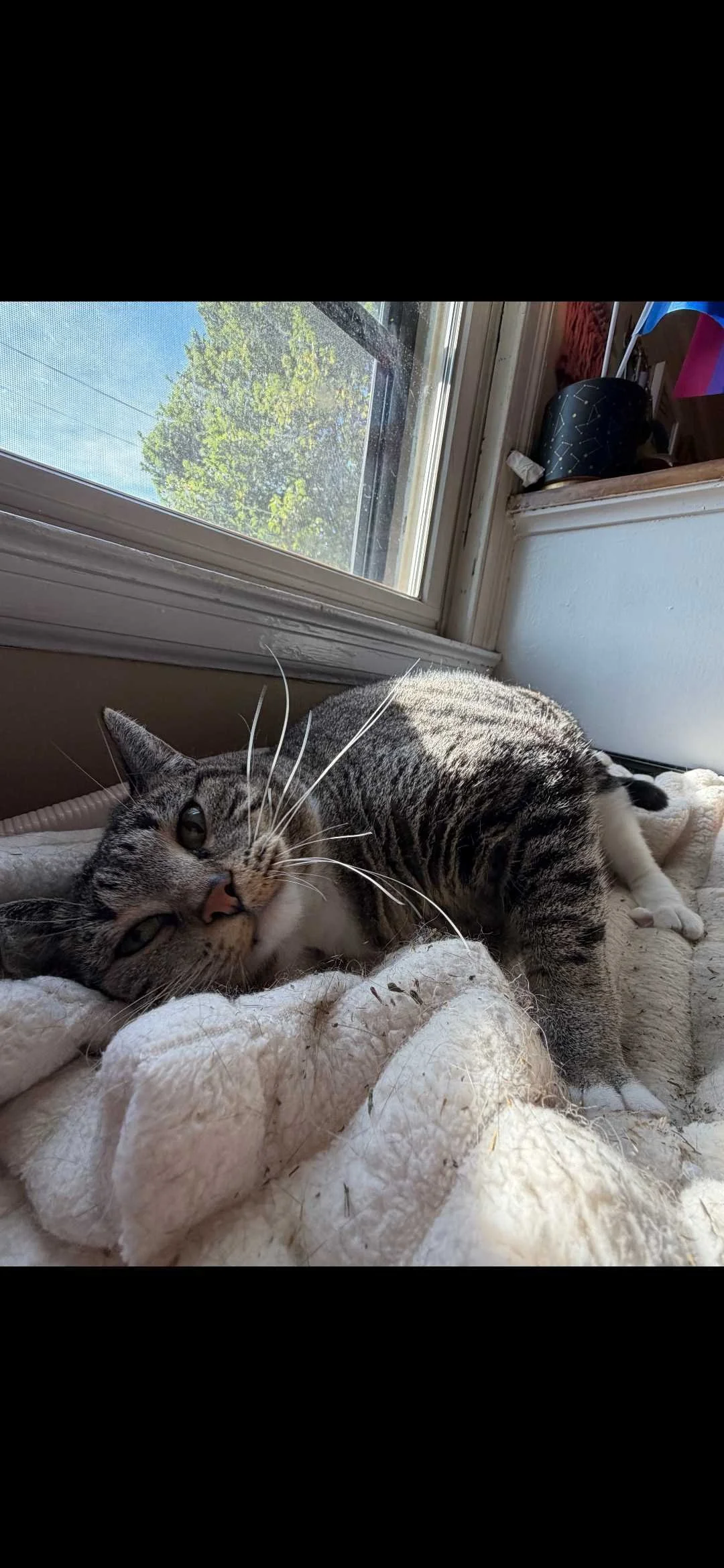
![Image of Beans, an adoptable cat from Almost Home Cat Rescue MKE]()
Beans
-
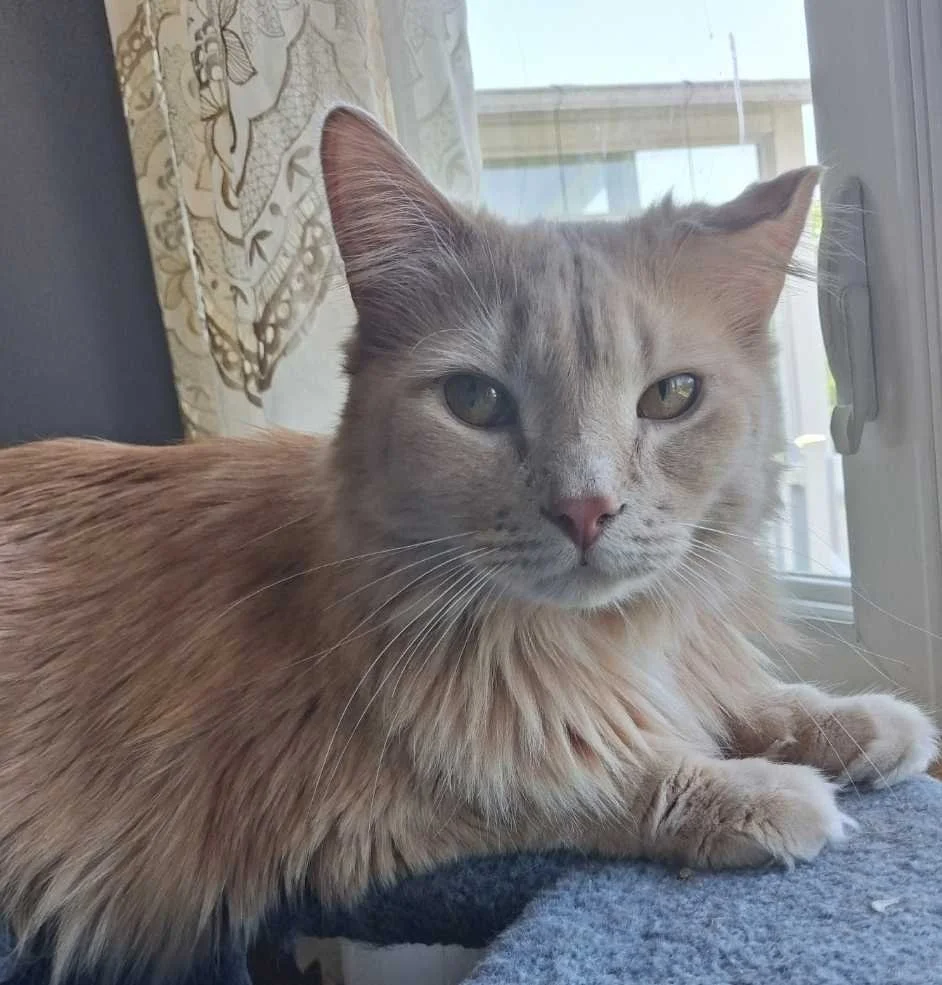
![Foster cat Milwaukee: Bliss]()
Bliss
-
![Adoptable bonded pair, Cannoli & Panini, from Almost Home Cat Rescue MKE]()
Cannoli & Panini
-
![Image of Fufu, an adoptable Almost Home Cat Rescue MKE cat]()
Fufu
-
![Image of Herbert, an adoptable Almost Home Cat Rescue MKE cat]()
Herbert
-
![Image of Maizy, an adoptable Almost Home Cat Rescue MKE cat]()
Maizy (Bonded to Malachai)
-
![Image of Malachai, an adoptable Almost Home Cat Rescue MKE cat]()
Malachai (Bonded to Maizy)
-
![Image of Speedy, an adoptable Almost Home Cat Rescue MKE cat]()
Speedy
-
![Image of Sweetie, an adoptable cat from Almost Home Cat Rescue MKE]()
Sweetie
-
![Image of Yuji, an adoptable cat from Almost Home Cat Rescue MKE]()
Yuji
-
![Foster cat Milwaukee: Zoey]()
Zoey

Why Would a Cat or Kitten Require a Foster Home?
We medically and behaviorally assess every cat that comes into our care. If a cat receives a positive assessment, that means it has been cleared to come to our rescue location on E Ogden Ave in Milwaukee.
However, if it is determined that a cat would do better in a home setting, we look to our network of fosters and see who can provide a temporary home for them until they are officially adopted. Cats who have medical issues and/or are on prescription diets also stay in foster care for individualized attention.
What Are the Benefits of Fostering?
Helps prevent the births of more unwanted homeless cats.
In addition to being safely indoors, fostered kittens are typically spayed and neutered, which helps control cat populations and save more lives.
Introduces cats and kittens to new pools of prospective adopters.
The caregiver can offer trusted and enthusiastic assessments of the cat’s personality and needs to their friends, family and extended network.
Provides a safe and healthy environment for kittens to grow.
Kittens are more prone to sicknesses in shelter settings due to weakened immune systems. Those less than 8 weeks old are especially vulnerable.
It requires a temporary commitment and small amount of space.
You’re only responsible for caring for a cat or kitten in your home until they are adopted.
Based on your situation, experience level and desired length of commitment, our Foster Coordination team helps find your perfect match.
Socialization and Rehabilitation
It’s a lifeline for cats who need a little extra TLC. Whether they’re recovering from a medical procedure, working through a shy personality or learning how to trust people for the first time, a home environment makes all the difference.
Having a calm, dedicated space and a patient caregiver allows them to heal at their own pace and prepare for a successful transition to their forever home.
“Fostering allows me to give back to the local community and connect with the people and animals within it — all while saving a life.”
Becoming a Foster Parent — Frequently Asked Questions
-
Yes! Upon picking up your foster cat or kitten, Almost Home Cat Rescue MKE will provide you with essentials for the first two weeks of care.
As future needs arise, you are able to be reimbursed for pre-approved and self-purchased foster items. Or, you can pick up supplies in coordination with the Foster Care team lead/your case manager.
-
You must be able to transport your foster animal to and from the rescue as well as to the vet (when needed) during regular business hours.
Almost Home Cat Rescue MKE will handle all medical and associated financial obligations for all foster animals. We appreciate donations when possible, but it is not a requirement of fostering.
-
The average daily time commitment is ~2-3 hours. This includes time for socializing, playing, feeding/watering, handling/grooming and general monitoring.
Let your foster cat’s comfort level guide your interactions with it. Some need space, and others love constant companionship.
And don’t forget the 3-3-3 Rule: cats may hide for the first 3 days, start settling in after 3 weeks, and begin to feel “at home” after 3 months.
-
Foster Care Team Leads and case managers are readily available to guide you through any situation that comes up.
A Lead/case manager will be assigned once an application is filled out.
-
All fosterers must be 21 years of age or older and pass a routine background check.
Any other members of the household who are 18 years of age or older must pass a routine background check as well.
-
Yes, you can! However, we require that all resident pets are up to date on vaccines and routine medical care. If a resident pet is over the age of 4 months old, it needs to be spayed/neutered.
Resident FIV/FeLV (+) cats must be kept separated from all foster cats and kittens.
-
Short answer: It varies.
The average stay in a foster home depends on the age, health and socialization level of the cat or kitten. Newborn kittens are fostered for 12 weeks prior to adoption.
Time commitments may need to be extended for various reasons, including health, behavior, rate of growth or spatial limitations at the rescue. Flexibility is appreciated.
-
Great question! You must provide a separate space for quarantining new fosters to maintain the health and well-being of foster and resident cats.
All foster cats MUST be kept indoors and cannot interact with cats that spend time outdoors.
As a part of our application process, all prospective fosterers must complete a virtual home at which point we can offer additional tips and tricks on creating a cozy home environment.
Ready to Foster with Almost Home?
Start your application today! And for more information on how to set your foster cat up for success, check out our Foster Handbook HERE.